Comprehensive Guide to Construction Waste Clearance in Redbridge
Importance of Proper Construction Waste Clearance
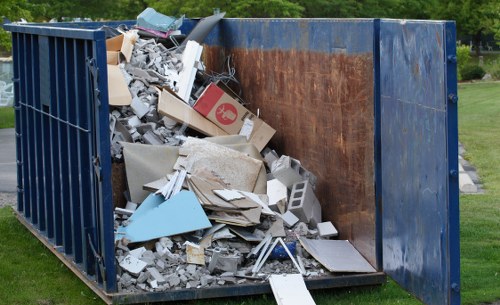
Construction projects generate a significant amount of waste, ranging from concrete and wood to metal and plastics. Proper waste clearance ensures that this debris is managed responsibly, minimizing environmental impact and adhering to local regulations.
In Redbridge, effective construction waste management is crucial for maintaining the community's aesthetic and environmental standards. Neglecting waste clearance can lead to hazardous conditions, attracting pests and creating unsightly landscapes.
Moreover, responsible waste clearance promotes sustainability by enabling the recycling and repurposing of materials, reducing the need for virgin resources.
Steps Involved in the Waste Clearance Process

Assessment and Planning
Before commencing clearance, a thorough assessment of the site is necessary. This involves identifying the types and quantities of waste, determining the most efficient clearance methods, and planning the logistics of waste removal.
Proper planning ensures that the clearance process is smooth, timely, and cost-effective. It also helps in minimizing disruptions to ongoing construction activities.
During the assessment, it's essential to categorize waste to facilitate recycling and disposal, ensuring compliance with Redbridge's waste management regulations.
Collection and Sorting
The collection phase involves gathering all construction debris from the site. Sorting is a critical step where waste is separated based on material types such as wood, metal, concrete, and hazardous substances.
Efficient sorting enhances recycling efforts, reducing the volume of waste that needs to be disposed of in landfills. It also ensures that hazardous materials are handled safely and in accordance with legal requirements.
Proper sorting not only benefits the environment but also can result in cost savings through the sale of recyclable materials.
Transport and Disposal
Once sorted, the waste is transported to designated recycling centers or disposal facilities. Professional waste clearance services in Redbridge ensure that transportation is carried out safely and efficiently.
Choosing the right disposal facilities is crucial for adhering to environmental standards and minimizing the ecological footprint of construction activities.
Responsible transport and disposal also contribute to the overall sustainability goals of a construction project.
Benefits of Professional Waste Clearance Services
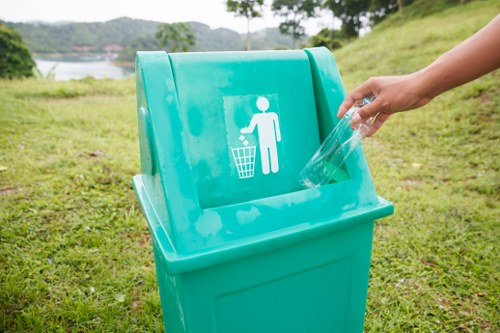
Hiring professional waste clearance services offers numerous advantages. Expertise in handling various types of construction waste ensures that materials are managed correctly and legally.
Professionals are equipped with the necessary tools and knowledge to dispose of waste efficiently, saving time and reducing the burden on construction teams.
Additionally, professional services often provide comprehensive solutions, including recycling and repurposing of materials, which contribute to more sustainable construction practices.
Time and Cost Efficiency
Outsourcing waste clearance can lead to significant time and cost savings. Professionals can complete the clearance process faster and more efficiently than in-house teams.
Reduced downtime in construction activities leads to timely project completion, avoiding potential delays and additional costs.
Moreover, professional services can offer competitive pricing, making waste clearance a cost-effective component of project management.
Compliance and Safety
Compliance with local regulations is paramount in waste management. Professional services are well-versed in Redbridge's waste disposal laws, ensuring that all clearance activities meet legal standards.
Ensuring compliance helps avoid fines and legal issues, protecting the reputation of the construction company.
Safety is also a priority for professionals, minimizing the risk of accidents and injuries associated with improper waste handling.
Common Types of Construction Waste
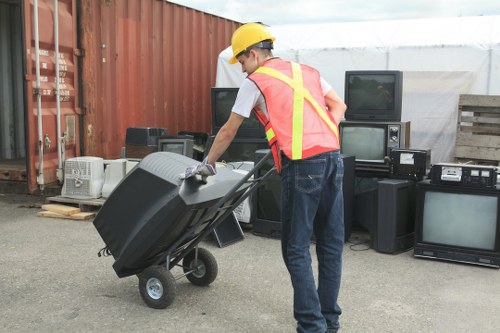
Construction waste encompasses a wide variety of materials, each requiring specific handling and disposal methods. Understanding the types of waste generated is essential for effective clearance.
- Concrete and Masonry: Includes leftover concrete, bricks, and blocks.
- Wood: Scraps from timber, plywood, and other wooden materials.
- Metals: Steel, aluminum, and other metal scraps.
- Plastics: Packaging materials, piping, and other plastic components.
- Hazardous Materials: Asbestos, chemicals, and paints.
Recycling Opportunities
Many construction materials can be recycled, contributing to sustainability efforts. Concrete can be crushed and reused, wood can be repurposed, and metals can be melted down for new uses.
Recycling not only benefits the environment but also can provide additional revenue streams through the sale of recycled materials.
Implementing recycling practices reduces the overall waste footprint of construction projects.
Disposal of Hazardous Waste
Hazardous waste requires special handling to prevent environmental contamination and health risks. Professional waste clearance services ensure that such materials are disposed of safely and in compliance with regulations.
Proper disposal of hazardous waste protects workers, the community, and the ecosystem from potential harm.
It also upholds the integrity and responsibility of the construction project.
Regulations and Compliance in Redbridge
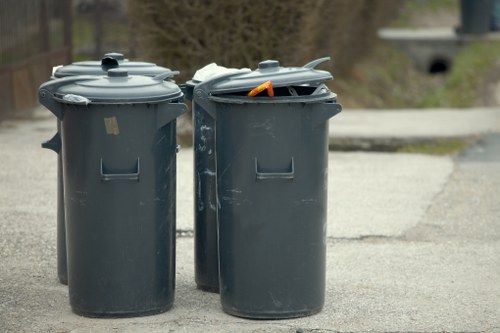
Redbridge has specific regulations governing construction waste management to ensure environmental protection and public safety. Compliance is mandatory for all construction entities operating within the borough.
Understanding these regulations is essential for effective waste clearance and avoiding legal penalties.
Professional waste clearance services are typically well-versed in these laws, ensuring that projects adhere to all necessary standards.
Waste Management Licenses
Businesses involved in waste clearance must obtain appropriate licenses. These licenses regulate the types of waste that can be handled and the methods of disposal.
Ensuring that a waste clearance provider holds the necessary licenses is crucial for legal compliance and credibility.
Licensing also indicates adherence to industry standards and best practices in waste management.
Environmental Impact Assessments
Large construction projects may require environmental impact assessments to evaluate the potential effects of waste disposal on the local ecosystem.
These assessments help in developing strategies to mitigate negative impacts, promoting sustainable construction practices.
Engaging in environmentally responsible waste clearance enhances the project's social and ecological standing.
Choosing the Right Waste Clearance Provider
Selecting a reputable waste clearance provider is critical for the success of a construction project. Several factors should be considered to ensure the chosen service meets all requirements.
Experience and expertise in handling various types of construction waste are paramount. A seasoned provider will navigate the complexities of waste management efficiently.
Additionally, evaluating the provider's compliance with local regulations and their commitment to sustainability can influence the decision.
Reputation and Reviews
Researching a provider's reputation through reviews and testimonials helps gauge their reliability and quality of service.
A provider with a strong track record is more likely to deliver satisfactory results, minimizing potential issues during the project.
Positive feedback from previous clients can serve as an indicator of the provider's professionalism and effectiveness.
Service Range and Flexibility
It's important to choose a provider that offers a comprehensive range of services, from waste collection and sorting to recycling and disposal.
Flexibility in services ensures that the provider can accommodate the specific needs of the construction project, adapting to its scale and complexity.
Customized solutions enhance the efficiency and effectiveness of the waste clearance process.
Cost Factors in Construction Waste Clearance
Understanding the cost components of waste clearance helps in budgeting and managing project expenses effectively.
Several factors influence the overall cost, including the volume and type of waste, the distance to disposal facilities, and the complexity of sorting and recycling processes.
Additionally, obtaining services from licensed and reputable providers may come at a premium but ensures quality and compliance.
Volume of Waste
The quantity of waste generated directly impacts disposal costs. Larger volumes require more resources for collection and transportation.
Efficient waste management strategies can help in reducing waste volume, thereby lowering costs.
Planning for waste clearance early in the project can lead to more cost-effective solutions.
Recycling and Material Recovery
Recycling materials can offset some of the clearance costs by generating revenue from the sale of recyclable materials.
Engaging in material recovery not only supports environmental goals but also contributes to the financial aspects of waste management.
Providers that offer recycling services can enhance both sustainability and cost-efficiency.
Environmental Impact and Sustainability
Effective construction waste clearance plays a pivotal role in minimizing the environmental footprint of construction activities.
Sustainable waste management practices reduce pollution, conserve natural resources, and promote a healthier ecosystem in Redbridge.
By prioritizing recycling and responsible disposal, construction projects contribute to broader environmental conservation efforts.
Reducing Landfill Dependence
Minimizing the amount of waste sent to landfills alleviates pressure on these sites, extending their lifespan and reducing environmental degradation.
Strategies such as recycling, repurposing, and efficient waste sorting are essential in achieving this goal.
Reducing landfill dependence is a key aspect of sustainable construction practices.
Promoting Circular Economy
A circular economy model emphasizes the reuse and recycling of materials, reducing the need for new resources and minimizing waste.
Construction waste clearance services that support material recovery contribute to this economic model, fostering sustainability.
Adopting a circular economy approach enhances the long-term viability and environmental responsibility of construction projects.
Frequently Asked Questions
- What types of construction waste can be recycled? Most materials, including concrete, wood, metal, and certain plastics, can be recycled.
- How much does construction waste clearance cost in Redbridge? Costs vary based on the volume and types of waste, but professional services offer competitive pricing.
- Are there specific regulations for hazardous waste disposal? Yes, hazardous waste must be handled and disposed of according to strict local regulations.
- How can I minimize waste during construction? Efficient planning, material management, and recycling can significantly reduce waste production.
- Why should I choose a professional waste clearance service? Professionals ensure compliance, efficiency, and sustainability in managing construction waste.
Conclusion
Construction waste clearance is an integral part of any construction project in Redbridge. It not only ensures compliance with local regulations but also contributes to environmental sustainability and project efficiency.
By engaging professional waste clearance services, construction firms can manage waste effectively, reduce costs, and promote a greener future.
Take Action Today
Don't let construction waste hinder your project's success. Contact us today to schedule your waste clearance service and ensure a clean and sustainable construction site.