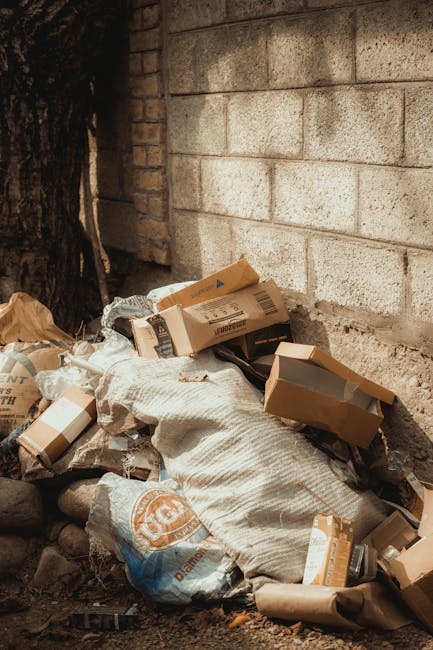
Ilford rubbish removal guide for fast local clearances
If you need clutter gone quickly, this Ilford rubbish removal guide for fast local clearances will help you make a sensible choice without wasting a day comparing vague promises. Whether it is a garage full of broken furniture, builders' rubble from a tight refurb, or just a pile that has somehow multiplied by the back door overnight, speed matters. So does getting it done properly.
In Ilford, the best clearance option depends on what you are moving, how much there is, how quickly it needs to go, and whether access is awkward. A neat little flat on a busy road calls for something different from a house clearance after a loft clear-out. This guide breaks it down in plain English, with practical steps, common mistakes, and a few local realities that are easy to overlook when you are in a rush.
Expert summary: If the job is small and mixed, rubbish removal or a man and van style clearance may be the quickest route. If it is bulky, heavy, or ongoing, skip hire, grab hire, or a wait and load arrangement may be better. The right method saves time, reduces hassle, and can prevent avoidable extra costs.
Table of Contents
- Why Ilford rubbish removal guide for fast local clearances Matters
- How Ilford rubbish removal guide for fast local clearances Works
- Key Benefits and Practical Advantages
- Who This Is For and When It Makes Sense
- Step-by-Step Guidance
- Expert Tips for Better Results
- Common Mistakes to Avoid
- Tools, Resources and Recommendations
- Law, Compliance, Standards, or Best Practice
- Options, Methods, or Comparison Table
- Case Study or Real-World Example
- Practical Checklist
- Conclusion
- Frequently Asked Questions
Why Ilford rubbish removal guide for fast local clearances Matters
Fast clearances are not just about convenience. They can stop a property from feeling unmanageable, help you meet moving deadlines, keep a renovation on schedule, or simply make a space usable again. In Ilford, where many homes and businesses sit on busy streets or have limited parking, a badly planned clearance can turn into a half-day of frustration very quickly. Truth be told, that is usually when people realise the waste itself was the easy part.
Local rubbish removal matters because access, timing, and collection method all affect how quickly the job is finished. A service that works brilliantly for a driveway in a quiet road may be less suitable for a narrow terrace, a shop on a parade, or a flat with awkward stairs. If you choose the wrong approach, you may lose time arranging permits, waiting around for a collection window, or dealing with loading that is harder than expected.
It also matters for peace of mind. Nobody wants bags left outside for days, a skip obstructing the pavement, or a pile of waste attracting complaints from neighbours. Fast local clearances are usually about getting waste out efficiently and responsibly, with as little disruption as possible. That is the sweet spot.
How Ilford rubbish removal guide for fast local clearances Works
Most clearance jobs follow a similar pattern. First, you identify what needs removing and how urgent the job is. Then you decide whether you need one-off rubbish removal, a skip, a wait and load option, or something more specialist such as grab hire services for heavy or loose materials. After that, the provider schedules the collection and handles loading, transport, and disposal.
For many customers, the fastest route is one of two routes:
- Full-load rubbish removal: A team arrives, loads the waste, and takes it away in one visit.
- Wait and load: A vehicle waits while you bring waste out, which can be ideal where a skip would be awkward or require a permit.
That said, speed should not override suitability. A small domestic clearance may be best handled through domestic skip hire, especially if you are clearing over a day or two. A larger, heavier, or more demanding load may call for a different method entirely. If you are clearing a shed, loft, garage, or whole property, the decision depends on access, volume, and what type of waste is involved.
In practical terms, the process often looks like this:
- List the waste by category: general rubbish, timber, soil, metal, appliances, furniture, green waste, or mixed household items.
- Check whether anything needs specialist handling, such as refrigeration units, mattresses, confidential material, or hazardous items.
- Measure the likely volume. A few bin bags is very different from a room stacked to the ceiling. Obvious, yes, but easy to underestimate.
- Choose the quickest suitable option based on access, timing, and budget.
- Book the collection and prepare the items so the team can load efficiently.
For households and businesses that need a reliable, tidy service, rubbish removal can be the simplest route when time is tight and you want the waste gone in one go.
Key Benefits and Practical Advantages
The biggest benefit is obvious: you get your space back. But there are several more practical advantages worth considering.
- Speed: A well-planned clearance can remove waste far faster than a DIY trip to the tip, especially if you have multiple loads or awkward items.
- Less lifting: Heavy furniture, bags, broken plasterboard, and appliances can be handled for you instead of being dragged through hallways and stairs.
- Better access planning: Local teams understand the reality of narrow roads, limited parking, and shared access in and around Ilford.
- Cleaner finish: A professional clearance is usually neater than a piecemeal approach. Fewer leftover bits, fewer forgotten bags, fewer surprises.
- More suitable disposal: Different waste streams should be handled differently, and that is easier when the provider knows the likely route from collection to recycling or disposal.
There is also a subtle but important benefit: momentum. Once rubbish starts leaving, the whole project tends to move. A loft that felt impossible on Monday can look manageable by Tuesday afternoon. That psychological lift is real. It sounds a bit dramatic, but anyone who has lived with clutter knows exactly what I mean.
If you are comparing options, reviewing pricing and quotes early can help you avoid booking something overcomplicated or underpowered for the job.
Who This Is For and When It Makes Sense
This guide is for anyone in Ilford who needs waste removed quickly, but the needs vary quite a bit.
- Homeowners clearing out lofts, garages, spare rooms, sheds, or front gardens.
- Landlords and letting agents dealing with end-of-tenancy clearances or bulky left-behind items.
- Builders and tradespeople who need efficient removal of renovation waste, rubble, timber, and packaging.
- Business owners clearing offices, stockrooms, and commercial premises.
- Families managing a house clearance after a move, refurbishment, or sensitive change in circumstances.
It makes sense when the waste is too much for normal household collections, too awkward for a small car, or too urgent to leave sitting around. It also makes sense when you want to avoid making multiple runs yourself. Let's face it, one van load is never really one van load. There is always a second pile hiding somewhere.
For lofts, garages, and attic jobs, garage and loft clearance is often a sensible fit because these spaces tend to contain mixed items, dusty materials, and awkward shapes that are slow to move by yourself.
If you are dealing with a larger property clearance, house clearance may be the better starting point, especially where speed, careful handling, and tidy removal all matter at once.
Step-by-Step Guidance
Here is a straightforward way to get from "there's a mountain of stuff" to "it's gone."
1. Sort the waste before you book
Do a quick walk-through and separate waste into rough groups. Keep general rubbish apart from electrical items, green waste, builders' waste, and anything potentially hazardous. This helps you avoid booking the wrong service and speeds up the collection on the day.
2. Decide how fast you need it gone
If the waste has to be removed today or tomorrow, look at same-day or rapid collection options. If the timing is slightly looser, you may have more flexibility on cost and vehicle choice. A good local provider should be able to suggest a workable plan based on your schedule, not just push one method for everything.
3. Check access
Think about parking, staircase width, driveway space, and whether the team can get close to the waste. This matters more than people expect. A job that looks small on paper can take longer if bags must be carried through tight hallways or around parked cars.
4. Identify restricted or specialist items
Some waste should not simply be mixed in with general rubbish. Old fridges, certain appliances, confidential paperwork, mattresses, sofas, and potentially hazardous items may need separate handling. If you are unsure, it is better to ask before collection day. A five-minute check can save a lot of bother later.
5. Choose the best clearance method
Pick the option that fits your waste, access, and urgency. For example, a small to medium domestic job may suit man and van style clearance, while ongoing renovation work may be better suited to builders skip hire or even wait and load skip hire if space is limited.
6. Prepare the waste so loading is quick
Put items in a clear place if you can. Keep pathways open. Stack lighter items together, remove obviously reusable things if you plan to donate them, and label anything that must not be taken. If the team can load without having to navigate around half the contents of the hallway, the whole job tends to go smoother. Funny how that works.
7. Confirm recycling and disposal approach
A reputable provider should be able to explain how waste is sorted or directed after collection. You do not need a technical lecture, just a plain answer. If sustainability matters to you, ask about waste recycling services and how different materials are handled.
Expert Tips for Better Results
A few practical habits can make a fast clearance noticeably easier.
- Photograph the waste before booking. A few clear pictures often help a provider judge the right vehicle or team size.
- Overestimate awkwardness, not just volume. One huge wardrobe can slow a job more than ten bin bags.
- Keep wet and dry waste apart. Wet waste is heavier, messier, and generally less pleasant to move. No one enjoys soggy cardboard, honestly.
- Put valuables aside first. Keys, documents, tools, chargers, and sentimental items are easily overlooked in a rush.
- Think about the route out. If a garden gate or stairwell is too tight, say so in advance.
- Ask about bulky-item specialist handling. A mattress, sofa, or appliance often needs different treatment from general junk.
If your clearance includes white goods, a dedicated fridge and appliance removal option can save time and reduce the risk of damage during lifting.
For upholstered items, mattress and sofa disposal is often the cleaner choice rather than trying to force everything into a general mixed waste plan.
Common Mistakes to Avoid
Fast clearances go wrong most often because of rushed assumptions, not because the waste itself is difficult.
- Choosing the cheapest option without checking what is included. Low upfront cost can become expensive if the load turns out to need extra handling.
- Underestimating the volume. A small pile can spread out once lifted, and a roomful of items can surprise you.
- Mixing unsuitable items into one load. This is especially risky with items that need specialist disposal.
- Forgetting about permits or parking limitations. If access is tight, a plan that works elsewhere may not work here.
- Leaving everything for the crew to sort on arrival. A little preparation saves real time.
- Not checking the finish. Always take a final look so nothing important is taken by mistake.
One common slip is booking a skip when what you really need is fast loading and removal. Another is hiring a clearance team when a skip would have been simpler. The answer is not always obvious at first. That is normal.
If you are unsure whether a skip is the right fit, use what can go in a skip as a practical reference point before you commit.
Tools, Resources and Recommendations
You do not need a lot of equipment for a standard clearance, but a few basics help.
- Heavy-duty bin bags or rubble sacks for smaller mixed items.
- Protective gloves for sorting sharp or dusty materials.
- Furniture sliders or a sack truck if you are shifting items within the property before collection.
- Tape, marker pens, and labels for separating keep, donate, recycle, and remove piles.
- Photos on your phone so you can explain the job clearly when asking for a quote.
On the service side, useful options to compare include:
- skip hire for longer projects where you want waste on site for a period.
- same-day skip hire for urgent jobs with a tight deadline.
- construction waste disposal for renovation debris and trade waste.
- site clearance for larger external areas or development work.
For businesses, office clearance and commercial skip hire are worth comparing if you need a tidy, predictable process with minimal disruption to staff or customers.
Law, Compliance, Standards, or Best Practice
Waste removal in the UK carries basic legal responsibilities, and it is sensible to treat them seriously even for small jobs. You do not need to become an expert overnight, but you should know the practical essentials.
First, waste should be handled by a legitimate operator who can move it, sort it, and dispose of it responsibly. If you hand waste to someone who cannot explain where it goes, that is a red flag. It may sound obvious, but people still get caught out by a too-good-to-be-true price and a vague van in the driveway.
Second, certain materials need specialist treatment. That includes items that are hazardous, contaminated, or otherwise unsuitable for standard mixed waste. If you think something may be restricted, ask first and do not guess. A cautious approach is usually the right one.
Third, if you use a skip on a public road or where a permit is required, check the permit requirement before delivery. For more detail, see skip hire permits or the related skip permits page. The key point is simple: do not assume a skip can just be dropped anywhere.
For peace of mind, it also helps to review provider policies on health and safety, insurance and safety, and payment and security. These pages are not just formalities. They tell you how the business operates and what you can expect.
Where business documents are involved, confidential shredding is the safer option than treating paperwork like ordinary waste. A desk full of old client files is not the moment to improvise.
Options, Methods, or Comparison Table
The fastest local clearance method depends on the job. Here is a straightforward comparison to help you choose.
| Method | Best for | Speed | Strengths | Watch-outs |
|---|---|---|---|---|
| Rubbish removal | Mixed household waste, bulky items, one-off clearances | Very fast | No need to load a skip yourself, tidy one-visit clearance | May cost more than a skip for long-duration projects |
| Wait and load | Restricted access, no permit-friendly locations, quick turnaround | Fast | Ideal where space is tight and you want immediate removal | Requires good preparation and efficient loading |
| Skip hire | Ongoing work, renovations, repeated waste over several days | Fast to arrange, slower to fill | Flexible for projects with changing waste volume | May need a permit; access and placement matter |
| Grab hire | Heavy, loose, or bulky waste such as rubble, soil, or mixed construction waste | Very fast for large loads | Good for big clearances and hard-to-reach waste piles | Needs enough access for the vehicle |
| Man and van | Smaller clearances, upstairs items, domestic jobs | Fast | Useful for awkward removals and flexible loading | Less suitable for heavy rubble or very large volumes |
In many Ilford jobs, the "best" option is the one that fits the property layout and waste type, not the one with the shiniest label. That is the honest answer.
Case Study or Real-World Example
Here is a realistic example based on the sort of jobs people ask about all the time.
A family in Ilford is preparing to move and has a half-full loft, an overstuffed garage, two broken wardrobes, a mattress, some old children's furniture, and several bags of mixed clutter that have been moved from room to room for months. They want it cleared quickly because the estate agent has booked photos for the next day. Not ideal timing, but there we are.
At first, they consider a skip. Then they realise access is awkward and the driveway is shared. A permit may add delay, and they do not want items sitting out overnight. In this case, a fast rubbish removal or man and van style clearance makes more sense. The waste is loaded in one visit, the larger items are removed safely, and the property is left clear enough for cleaning the same afternoon.
Now compare that with a light refurb job where trades are producing timber, packaging, broken plaster, and a bit of rubble over several days. There, a skip or builders' skip is usually the better fit because the waste keeps coming. Different job, different answer. Simple as that.
If you are handling renovation debris specifically, builders waste removal and construction waste clearance can be more suitable than a general household clearance.
Practical Checklist
Use this checklist before you book or on the morning of collection.
- List the items you want removed.
- Separate anything you want to keep, sell, donate, or recycle yourself.
- Check for appliances, confidential documents, or potentially hazardous items.
- Take clear photos of the waste and access route.
- Measure doorways, stairwells, gates, or driveway space if access is tight.
- Decide whether you need same-day removal, a scheduled visit, or a longer-term skip.
- Confirm whether parking or permit issues could affect the job.
- Clear a path so the team can load quickly.
- Keep valuables, medication, keys, and documents somewhere safe.
- Ask any final questions before the collection begins.
Quick tip: if you are unsure about load size, compare the waste to a room, a cupboard, or the boot of a large car rather than trying to guess in litres. Humans are oddly bad at estimating piles. All of us.
Get a free quote today and see how much you can save.
Conclusion
Fast local clearances in Ilford are usually easiest when you match the method to the mess. Small mixed loads often suit rubbish removal, tight-access jobs may need wait and load, ongoing projects may need a skip, and heavier materials may call for grab hire. Once you understand the shape of the job, the rest becomes much easier.
The real win is not just getting rid of waste quickly. It is getting it removed in a way that suits your property, your timing, and your peace of mind. That is what makes the difference between a stressful clearance and a smooth one. And when the space is finally clear, the house feels different straight away. Cleaner, lighter, easier to breathe in. Small thing, big relief.
If you want a straightforward next step, start with the waste type, the access, and the deadline. That alone will tell you a lot about the best route forward. Then you can move on with less clutter and a bit more calm.
Frequently Asked Questions
What is the fastest way to remove rubbish in Ilford?
The fastest option is usually a same-day or next-day rubbish removal service when the waste is already gathered and access is straightforward. For tight spaces, wait and load can also be very quick.
Is rubbish removal better than skip hire for a quick clearance?
It depends on the job. Rubbish removal is often better for one-off, mixed, or bulky items. Skip hire works well when you need ongoing access to a container over several days.
Do I need a permit for a skip in Ilford?
You may need a permit if the skip is placed on a public road or another area that requires approval. It is best to check before booking so you do not lose time later.
Can I put furniture and mattresses in a general waste collection?
Often yes, but larger upholstered items and mattresses can be better handled through dedicated disposal services. This keeps the job cleaner and may improve sorting at the disposal stage.
What should I do with old fridges and appliances?
Appliances are best kept separate where possible. A dedicated removal service for white goods is usually the simplest and safest option, especially for fridges and freezers.
How do I know if I need grab hire?
Grab hire is often a good choice if you have heavy, loose, or bulky waste such as soil, rubble, or mixed construction material. It is especially useful where loading by hand would take too long.
Is same-day rubbish removal always available?
Not always. Availability depends on schedule, job size, and access. If the job is urgent, it is worth asking early in the day and being clear about what needs removing.
Can I mix garden waste with household rubbish?
You usually can in some clearance scenarios, but separating it is often better for recycling and can help avoid confusion. If there is a lot of green waste, a dedicated garden option may be more efficient.
What happens to the rubbish after collection?
It is typically sorted so reusable or recyclable materials can be separated from residual waste. The exact process depends on the provider and the type of material collected.
How can I reduce the cost of a local clearance?
Sort the waste in advance, keep access clear, avoid mixing specialist items with ordinary rubbish, and choose the right service first time. That usually saves more than trying to cut corners.
Is house clearance different from rubbish removal?
Yes. House clearance is usually broader and can involve more contents, more sorting, and more care with mixed household belongings. Rubbish removal is often faster and more direct for waste that is already identified.
Where can I learn more before booking?
It helps to review related pages such as skip sizes and prices, recycling and sustainability, and about us if you want to understand how the service is organised and what to expect from a professional provider.